

Buy German Shepherd Puppies From Responsible Breeders
German Shepherds are smart and obedient. They are also brave and protective. They are a great fit for families with a large yard that is enclosed and who have plenty of time for training, play, and exercise.
If you don't want to spend the time on a puppy, adopt one from a shelter.
Responsible Breeding
Responsible breeders are concerned about the health of their puppies. They would like to find them homes with people who will give them love and care for the rest of their lives. This is a major responsibility that requires careful screening and evaluation of prospective buyers.
A breeder who is a good one will only allow their dogs to breed if they've been tested positive for hereditary disorders which includes elbow dysplasia and hip dysplasia. Both of these are genetic disorders that could cause pain, discomfort and arthritis in the future for your dog. Responsible breeders test their female and male dogs and only breed puppies from parents who have passed these tests.
A responsible breeder must be capable of explaining any hereditary traits that your puppy may have. This is crucial, since hereditary traits can have an impact on your pet's health and temperament.
The breeder must be able to discuss angles built into the German Shepherd. They should be balanced, and should not have too or under angulation. This is crucial since the German Shepherd was built to be a herding dog as well as a war dog, they need to have the right angles to effectively move across long distances.
Lastly, the breeder should be able inform you about the sire and dam's pedigree. This is important due to a variety of reasons, including knowing about any possible medical or behavioral problems that the parent may have had. Responsible breeders will always strive to reduce hereditary diseases and should be able to explain the advantages and negatives of each parent’s lineage.
Breeders who are responsible will request prospective owners to sign a contract. The contract will usually include a health guarantee, and should also state the responsibilities of the prospective owner. It is important that you fully understand and agree to all the terms of the contract before you make any payment. It is not advisable to be forced to sign a contract you don't feel comfortable with.
Health Tested Puppies
Health testing is the most crucial aspect of responsible breeding. A responsible breeder will conduct a health test on their breeding dogs based on the recommended tests by the parent club of the dog, and keep records to prove it. These records should include an CHIC (Canine Health Identification Code) number that proves that all required health screenings were completed and all results passed.
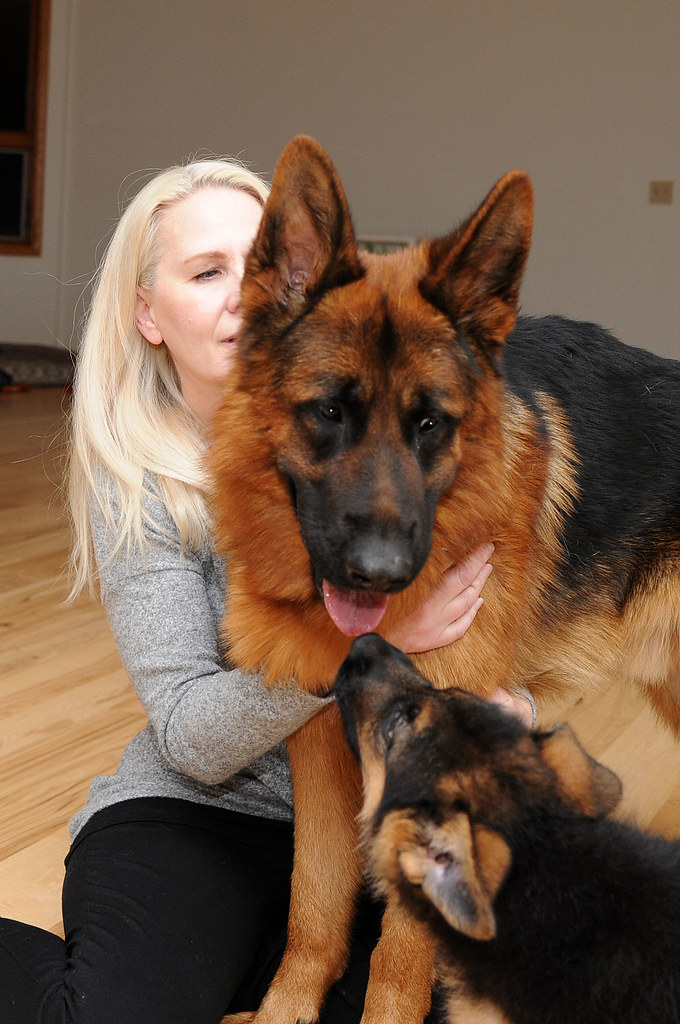
entzückendescäferhundwelpen should be included in the pedigree of the puppy. This is an easy way for the puppy's owners to verify that all required tests and screenings have been conducted. This will protect against breeding stock that have inherited health problems, such as hip dysplasia or hereditary multifocal kidney cystadenocarcinoma.
A reputable breeder should be able explain the purpose of each test and how it is related to the health of the puppies. They must also be able to provide references from previous pet owners who can confirm the quality of their dogs and their honesty.
German Shepherds are intelligent and loyal, but they are also independent too. They are protective of their family and aren't afraid to inform strangers that they're not welcome. This makes them great guard dogs and home protectors, but they can be excellent family pets if properly trained.
If you're thinking of buying a German Shepherd puppy, make sure that your potential breeder has done the necessary tests and screenings to ensure that their puppies are healthy and genetically sound. This will spare you from many more problems in the future.
Hip scoring involves taking X-rays of the parents' hips typically under anaesthesia and sending them to a specialist who will evaluate them for a score ranging from 0 and 106. Only dogs with low scores should be bred to prevent passing on the gene for hip dysplasia to their pups. The scoring of the elbow is similar to that of the hip and is used to assess the development of the dog's elbow joint.
Another health test is the brachycephalic obstructive airway syndrome test, which evaluates the brodycephalic (flat-faced) dog's ability to breathe easily. It gives it a score between 0 and 3; 3 being severely affected and shouldn't be bred with. This reduces the risk of brachycephalic obstruction airway syndrome in puppies born to parents with high scores.
Socialized Puppies
German Shepherd puppies are playful and curious dogs. They are great with both pets and children. They are loyal and protective and often make great watchdogs for their families. They are a joy to play with and work and are ideally suited to homes with fenced yards and parks where they can run. If they are not socialized properly, they may become fearful or even aggressive, particularly with strangers.
Puppy socialization involves exposure of a puppy to the world and teaching that the human environment can be a positive and secure place. You can introduce your puppy to the world by taking them for walks, going to the pet store or to a nearby park, where they'll see other dogs as well as people and other sights and noises. It could also involve exposing the puppy to different kinds of elevators and cars and other types of transportation.
During this time it is important to avoid overwhelming the puppy with too many new experiences and interactions at once. This could cause the puppy to become stressed or even panicky, which is the opposite of what you want to achieve when you are trying to socialize your puppy.
It is recommended to let your puppy observe other people holding or petting them from a young age to avoid the development of a touch aversion, which can cause problems at the vet's office when your dog has to have her ears examined and her mouth brushed in ways that aren't comfortable for her.
Parents should expose their puppies to various sounds and textures as well as socialization. This can be accomplished by playing with your puppies on tile or carpet, wood, and blankets. You can also allow them to hear household appliances such as doorbells, blenders and washing machines. Also, taking rides in the car and hanging out in parking lots is another method to let the pups explore the world from a safe distance. This will help them adjust to the fast, loud and unfamiliar world they will be entering as adults.
Training
German Shepherds have a high energy level and require lots of mental and physical exercise. You can burn off their energy by taking them on long walks or taking part in dog sports like agility or treibball. You can also play flyball. This will help you build an enduring relationship with your German shepherd and teach him to obey the commands.
You will need basic obedience commands to teach your puppy, like sit down, heel, and sit. You can also reward them with food for obeying your instructions. The most important thing is to keep the training sessions short and enjoyable to keep your puppy's interest. This will prevent them from developing a negative association with training.
If you're a new dog owner or don't have the time to train your German Shepherd puppy yourself, an experienced trainer who specializes in German Shepherds could be of assistance. A trainer can help you with anything from obedience training to specific behavioral issues.
A trained German shepherd is a loyal and secure family member. They make an ideal family pet for families with children. The breed is intelligent and easily learns new tricks. It can even do tasks such as herding or guiding blind people. The downside is that they can be stubborn at times and not always be able to listen to their owner.
If you'd like to use your German Shepherd to perform a task that requires more advanced abilities such as tracking or smelling it, you might be interested in enrolling them in a puppy-training school. These schools have a set curriculum and require that your dog is fully vaccinated prior beginning classes.
German Shepherds are prone to heart disease, particularly DCM (dilated cardiomyopathy). Your puppy's heart should be examined annually using a stethoscope, x-rays and a Stethoscope.
German Shepherds are also vulnerable to cancer, particularly when they age. Hemangiosarcoma is among the most common forms of cancer that affects Shepherds and can cause internal bleeding, weakness, constricted abdomen, difficulty breathing and even collapse.